
In a world where the demand for temporary housing solutions continues to rise, container homes have emerged as a viable and innovative option. Lida Group, a leader in modular construction, has harnessed the potential of shipping containers to create durable living spaces specifically designed for workers in various industries. This article delves into the concept of container homes, the benefits they offer, their role in labor camp development, and the future potential of this housing solution.
Understanding Container Homes
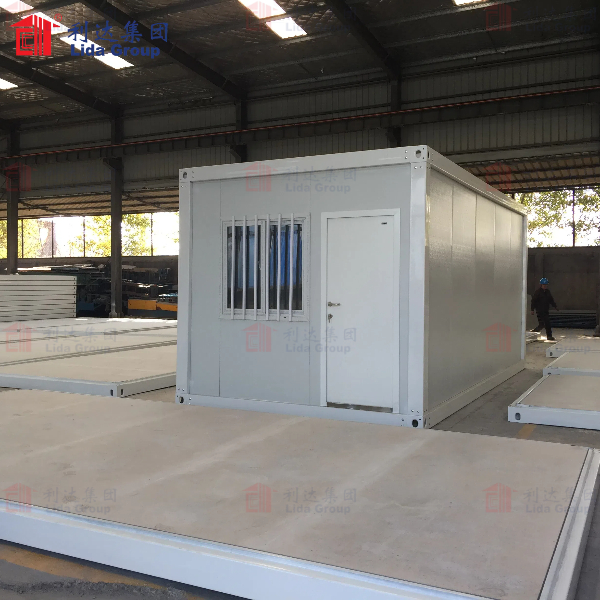
What Are Container Homes?
Container homes are structures made from repurposed shipping containers, which are typically used for transporting goods across oceans. These containers are durable, weather-resistant, and can be easily modified to create functional living spaces. When transformed into homes, they provide a unique blend of sustainability, affordability, and versatility.
Key Features of Lida Group’s Container Homes
- Durability: Shipping containers are designed to withstand harsh conditions during transport, making them robust and long-lasting as living spaces.
- Modularity: Container homes can be stacked and arranged in various configurations, allowing for flexible designs that cater to different needs.
- Cost-Effectiveness: Utilizing existing shipping containers can significantly reduce construction costs compared to traditional building methods.
- Quick Assembly: Container homes can be rapidly assembled on-site, minimizing construction time and enabling quicker occupancy.
- Sustainability: Reusing containers contributes to sustainability efforts by reducing waste and promoting eco-friendly building practices.
The Importance of Durable Housing for Workers
Worker Welfare and Efficiency
Adequate housing is essential for worker welfare, particularly in industries such as construction, oil and gas, and mining, where workers often operate in remote locations. Quality living conditions contribute to job satisfaction, morale, and overall productivity. Conversely, poor housing can lead to dissatisfaction, health issues, and high turnover rates.
Challenges in Traditional Worker Housing
- Inadequate Facilities: Many traditional labor camps consist of temporary and poorly constructed shelters that lack basic amenities, leading to discomfort among workers.
- High Costs: Traditional construction methods can be expensive and time-consuming, often resulting in budget overruns.
- Environmental Impact: Conventional building practices can contribute to significant waste and environmental degradation.
- Isolation: Traditional labor camps often fail to foster a sense of community, leading to feelings of isolation among workers.
Benefits of Container Homes by Lida Group
1. Enhanced Living Conditions
Lida Group’s container homes significantly improve living conditions for workers:
- Comfortable Accommodations: Designed with modern amenities, these homes can include private sleeping quarters, kitchens, bathrooms, and communal spaces, creating a comfortable living environment.
- Community-Oriented Design: Container homes can be arranged to promote social interaction among workers, fostering a sense of community.
2. Increased Efficiency
The efficiency of container home construction plays a crucial role in labor camp development:
- Rapid Deployment: Container homes can be assembled quickly on-site, allowing workers to move in sooner.
- Reduced Labor Costs: The prefabricated nature of container homes requires fewer labor hours, leading to lower overall expenses.
3. Cost-Effectiveness
Investing in container homes can yield significant economic benefits for companies:
- Long-Term Savings: While the initial investment may be higher than traditional labor camps, the long-term savings from increased productivity and reduced turnover can outweigh the costs.
- Optimized Resource Use: The reuse of shipping containers minimizes waste and optimizes resource use, contributing to cost savings.
4. Sustainability
Container homes offer several key sustainability benefits:
- Recycling Materials: Utilizing shipping containers as housing reduces the demand for new construction materials, promoting recycling and sustainability.
- Energy Efficiency: Container homes can be designed to include energy-efficient systems, such as solar panels and insulation, reducing energy consumption.
5. Customization and Flexibility
Lida Group’s container homes can be tailored to meet the specific needs of various industries:
- Adaptable Designs: The modular nature of container homes allows for easy modifications and expansions based on changing workforce needs.
- Cultural Sensitivity: Designs can be adapted to reflect local architectural styles and cultural preferences, enhancing their appeal in diverse markets.
Case Studies: Successful Implementation of Container Homes
Case Study 1: Construction Site Accommodations
Challenge: A major construction firm required on-site accommodations for a workforce of over 200 employees at a remote site, necessitating quick and efficient housing solutions.
Solution: The company partnered with Lida Group to implement container homes designed to include sleeping quarters, communal kitchens, and recreational areas.
Outcome: The container homes were assembled in a matter of weeks, providing comfortable living conditions for workers. The project’s timely execution and quality accommodations led to increased worker satisfaction and productivity.
Case Study 2: Oil and Gas Operations
Challenge: An oil and gas company sought a sustainable housing solution for its workforce stationed in a remote location for an extended period.
Solution: Lida Group developed container homes that incorporated energy-efficient systems and sustainable materials, providing a comprehensive living environment.
Outcome: The labor camp not only provided safe and comfortable accommodations but also showcased the company’s commitment to sustainability. Positive feedback from both workers and management enhanced the company’s reputation in the region.
Case Study 3: Emergency Relief Housing
Challenge: Following a natural disaster, a region required immediate housing solutions for displaced workers involved in recovery efforts.
Solution: Lida Group rapidly deployed container homes designed for quick assembly and equipped with essential amenities.
Outcome: The homes were set up within days, providing safe and comfortable living conditions for recovery workers. The swift response helped restore a sense of normalcy in the affected area, demonstrating the effectiveness of container housing in crisis situations.
Addressing Challenges in Container Housing Development
1. Perception and Acceptance
Despite their many advantages, container homes often face skepticism regarding their aesthetic appeal and livability. Educating stakeholders about the benefits and advancements in container construction is crucial for overcoming these perceptions.
2. Logistics and Transportation
Transporting container units to remote locations can present logistical challenges. Effective planning and coordination are essential to ensure timely delivery and assembly.
3. Regulatory Hurdles
Navigating local building codes and regulations can be complex. Engaging with local authorities early in the planning process can help address potential regulatory issues.
4. Cultural Adaptation
Customizing container designs to fit local cultural preferences and architectural styles is essential for acceptance. Collaborating with local architects and designers can ensure that the final product resonates with the community.
The Future of Container Homes in Labor Camp Development
Technological Innovations
The future of container homes will be influenced by ongoing technological advancements:
- Smart Home Technologies: The integration of smart technologies will enhance the efficiency and comfort of container homes, allowing for better energy management and security features.
- Building Information Modeling (BIM): The use of BIM will improve design accuracy and collaboration, streamlining the construction process and enhancing project management.
Global Market Potential
The demand for container homes in labor camp development is expected to grow as industries seek more effective housing solutions:
- Emerging Markets: Developing countries will increasingly turn to container solutions to address labor housing needs, especially in remote areas.
- Crisis Response: Container homes will continue to play a crucial role in providing temporary housing in disaster-stricken regions, offering quick and effective solutions.
Customization and Adaptability
The ability to customize designs will ensure that container homes meet the unique needs of various industries:
- Flexible Configurations: The modular nature of these homes allows for easy modifications and expansions as workforce needs change.
- Cultural Sensitivity: Designs can be tailored to reflect local architectural styles and cultural preferences, enhancing their appeal in diverse markets.
Enhancing Worker Welfare Through Container Housing
1. Improved Living Conditions
Container homes can significantly enhance the quality of life for workers:
- Comfortable Accommodations: Providing private sleeping quarters, modern kitchens, and clean bathrooms creates a comfortable living environment.
- Community Spaces: Incorporating communal areas encourages social interaction and fosters a sense of community among workers.
2. Health and Safety
Health and safety are paramount in the design of container homes:
- Sanitation Facilities: Adequate restroom and sanitation facilities help prevent health issues and ensure the well-being of workers.
- Ventilation and Air Quality: Proper ventilation systems contribute to good air quality, reducing the risk of respiratory problems.
3. Economic Benefits
Investing in high-quality container homes can yield significant economic benefits for companies:
- Increased Productivity: Comfortable living conditions lead to happier workers, which can result in higher productivity levels and lower turnover rates.
- Cost Savings: While the initial investment may be higher, the long-term savings from reduced turnover and increased efficiency can outweigh the costs.
Conclusion
Lida Group’s container homes represent a modern solution to the challenges of labor accommodation in various industries. By prioritizing durability, efficiency, and sustainability, these homes provide a viable alternative to traditional labor camps, enhancing the living conditions for workers.
As industries continue to expand into remote areas, the demand for high-quality, flexible, and sustainable housing solutions will only increase. Lida Group stands at the forefront of this transformation, ensuring that worker welfare remains a top priority in every project.
In a time when the needs of the workforce are evolving, container homes offer a promising solution that combines functionality, sustainability, and modern design. The future of worker accommodation is bright, and the adoption of container solutions is a crucial step toward ensuring that every worker has access to safe, comfortable, and efficient living spaces. By embracing the potential of container housing, industries can create a better living environment for their workers, ultimately enhancing productivity and fostering a more satisfied workforce.
Contact Us
Post time: Mar-03-2025